
Social media and your personal injury case: what to know
How social media can hurt a personal injury case in Florida, what insurers look for, and why to pause posting, not delete, while your claim is open.
 By Jake BestAttorney, Sunshine State Law Firm
Hurt because someone wasn’t careful? Talk to an attorney for free. No fee unless we recover.
Yes, social media can hurt your personal injury case. Insurance companies and defense lawyers routinely look at claimants' public profiles, and a single photo or comment can be used to question your injuries. The safest approach is to pause posting, tighten your privacy settings, and talk to your lawyer before you change or delete anything.
Posting is part of everyday life. You share a birthday dinner, a sunset, a quick update for family who live out of state. None of that feels like evidence. But once you've made an injury claim, the other side has every reason to look for anything that makes your injuries seem smaller than they are.
How social media can hurt a personal injury case
The insurance company's goal is to pay as little as the facts allow. Your posts can become part of those facts, even when they don't tell the whole story.
A photo shows a moment, not your recovery
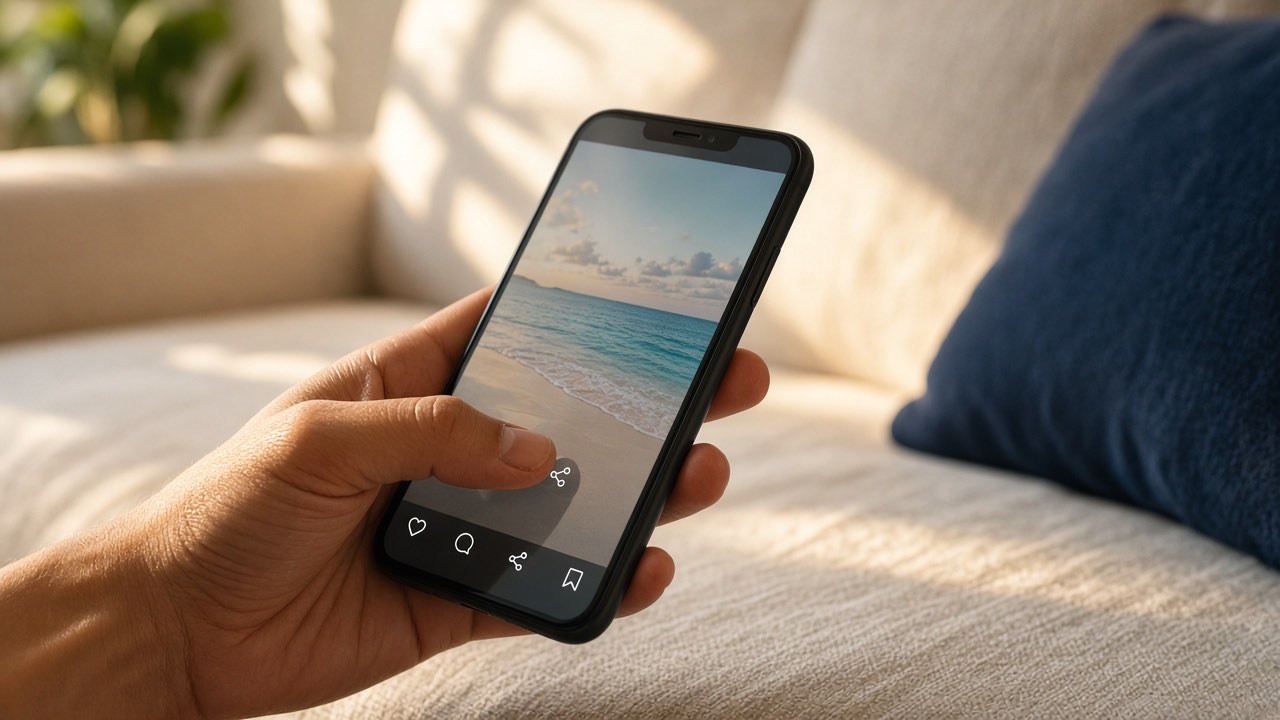
Say you hurt your back in a crash on I-4. Three weeks later, your family convinces you to come to the beach for an hour, and someone posts a smiling picture of you in a beach chair. What the photo doesn't show is that you needed help getting to the chair, left early and spent the next day in bed. The adjuster sees only the smile. A cropped or out-of-context image can suggest you're doing fine when you're not.
Your own words can be taken literally
"Feeling great today." "Back at the gym." "Can't wait for our cruise next month." Comments like these can be read as proof that you aren't really hurt, or that you weren't hurt as badly as your medical records say. Even a joke about the accident, or a guess about who was at fault, can be quoted back to you.
Check-ins and tags create a timeline
Location check-ins, event photos and tags from friends show where you were and what you were doing. If you told a doctor you can't stand for long periods, a tagged photo at a concert will raise questions, even if you sat the whole time.
Inconsistencies hurt credibility
Personal injury cases often come down to whether the adjuster, mediator or jury believes you. Anything that seems to contradict your medical records, your recorded statement or your deposition (sworn testimony before trial) gives the other side something to work with.
Who looks at your social media
- Insurance adjusters. Checking a claimant's public profile is easy and common.
- Investigators. Some insurers hire investigators to monitor claimants online. Accounts that look like strangers, or even friends of friends, may send you requests.
- Defense lawyers. If your case becomes a lawsuit, the other side can ask for relevant posts during discovery (the stage where each side exchanges information). A court can order relevant content produced, even from a private account.
Why you should never delete posts after an accident
This is the most important point in this post. Once you're making a claim, or a lawsuit is reasonably likely, deleting posts, photos or entire accounts can be treated as destroying evidence. Lawyers call this spoliation. In Florida, a court can sanction a party who destroys relevant evidence, and a jury may be allowed to assume that whatever was deleted would have hurt you.
That can do more damage than the original post ever could. So:
- Don't delete posts, photos, comments or messages.
- Don't deactivate or delete your accounts.
- Don't edit old posts to change what they say.
If there's something online that worries you, tell your lawyer. They can advise you on what to do without putting your case at risk.
What to do with social media during your case
| Do | Don't |
|---|---|
| Pause posting until your case is resolved | Post about the accident, your injuries or your treatment |
| Set every account to private | Delete posts, photos or accounts |
| Decline friend requests from people you don't know | Check in at gyms, trips, parties or events |
| Ask family and friends not to tag you or post about your case | Discuss your case in comments or direct messages |
| Tell your lawyer about any posts that concern you | Assume a private account keeps everything private |
| Keep living your life and following your doctor's advice | Post "feeling great" updates, even on a good day |
Privacy settings help, but they aren't a shield
Making your accounts private stops casual browsing, and that's worth doing. But private isn't the same as protected. Friends can screenshot and share what you post, and a court can order you to produce relevant content from a private account. The best rule is simple: don't post anything you wouldn't want an adjuster to read out loud.
Talk to the people closest to you
Your spouse, kids, coworkers and friends may post about you without thinking. A quick, kind request goes a long way: "Please don't tag me or mention the accident online until my case is over." Ask them to keep questions about your recovery to phone calls and texts.
Messages aren't always private either
Direct messages, group chats and comments can also become evidence. Keep conversations about the accident and your injuries to your lawyer and your doctors.
How this fits with the rest of your case
Social media is one of several ways claims get weakened without people realizing it. Giving a recorded statement to the other driver's insurer, gaps in medical treatment and accepting an early settlement are others. We cover more of them in common mistakes to avoid after a car accident.
Timing matters too. Florida's comparative negligence law reduces your recovery by your share of fault, and since 2023 you can't recover from the other side at all if you're found more than 50% at fault. A post guessing about what caused the crash can feed that argument, which is why it's wise to keep quiet online until your case is done.
When you work with our team, your case manager will go over social media at the start, so you know exactly what to do from day one. Questions come up later too, like whether it's okay to post a graduation photo, and you can always ask.
Frequently asked questions
Can I keep posting if I don't mention my accident?
You can, but it's still risky. Ordinary posts about workouts, trips, yard work or nights out can be used to argue you're not as hurt as you say. Many people simply pause posting until the case is resolved. If that feels like too much, talk to your lawyer about what's reasonable for your situation.
Can the insurance company see my private account?
Not directly, unless someone with access shares your posts. But in a lawsuit, the other side can ask for relevant social media content during discovery, and a court can order it produced. That's why private settings help with casual snooping but shouldn't make you comfortable posting about your injuries.
I already posted about my accident. What should I do?
Don't delete it. Removing posts after a claim begins can be treated as destroying evidence. Instead, stop posting about the accident or your health, set your accounts to private, and tell your lawyer exactly what you posted and when. Your lawyer can then plan around it.
Your posts aren't the whole story of your recovery, but the insurance company may treat them that way. Pause, go private, and keep everything as it is until you've talked to your lawyer. If you were hurt and want guidance from the start, see the injury cases we handle and ask for a free case review.
Written by
Jake Best, attorney
Orlando native and former prosecution intern. Negligence and premises cases.
Read Jake’s bioThis article is general information about Florida law, not legal advice for your situation. Laws change, and every case is different. Reading it doesn’t create an attorney-client relationship.